Step-by-Step Approaches to Getting Flawless Drywall Repair Service and Installation
Achieving flawless drywall repair work and installment calls for a methodical strategy. It involves comprehending the different kinds of drywall and the devices needed for the job. Proper area prep work is crucial before starting any job. Interior Painting. Each action, from covering holes to mounting new sheets, needs interest to detail. The procedure does not finish with installation; finishing strategies are important for a sleek look. The next actions will assure a smooth result, but what exactly do they entail?
Recognizing Drywall Kind and Devices Needed
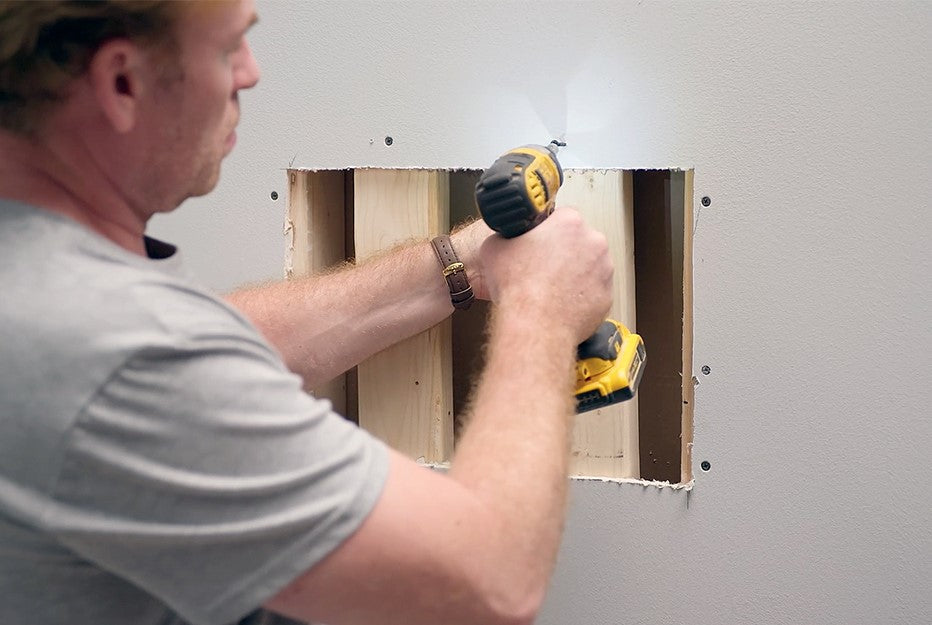
The installment tools are just as important. An energy blade is essential for reducing drywall sheets, while a drywall saw can help in making exact cuts for outlets or components. T-squares guarantee accurate measurements, and drywall screws or nails safeguard the panels to wall surface studs. Additionally, a drywall lift can assist in the setup of large sheets, reducing physical stress. Experience with these types and devices substantially adds to the performance and high quality of drywall projects.
Preparing the Area for Repair Work or Setup
Preparing the area for drywall repair or installation is important to guarantee a reliable and smooth procedure. First, the surrounding room ought to be removed of furnishings and other barriers to offer sufficient working room. This not just assures safety and security but likewise protects against damages to valuables. Next off, it is necessary to cover the floor with decline fabrics to capture any type of particles or dirt produced during the work.
Additionally, the wall surfaces need to be checked for any type of loosened paint or wallpaper that might conflict with attachment. Getting rid of these components produces a tidy surface for the new drywall. Prior to beginning, it is advisable to shut off power to electric outlets or fixtures in the area. Making certain ample lighting in the office will better improve presence and emphasis throughout the fixing or setup procedure. Interior Painting. By thoroughly preparing the location, one prepares for an effective drywall task
Step-by-Step Refine for Patching Holes
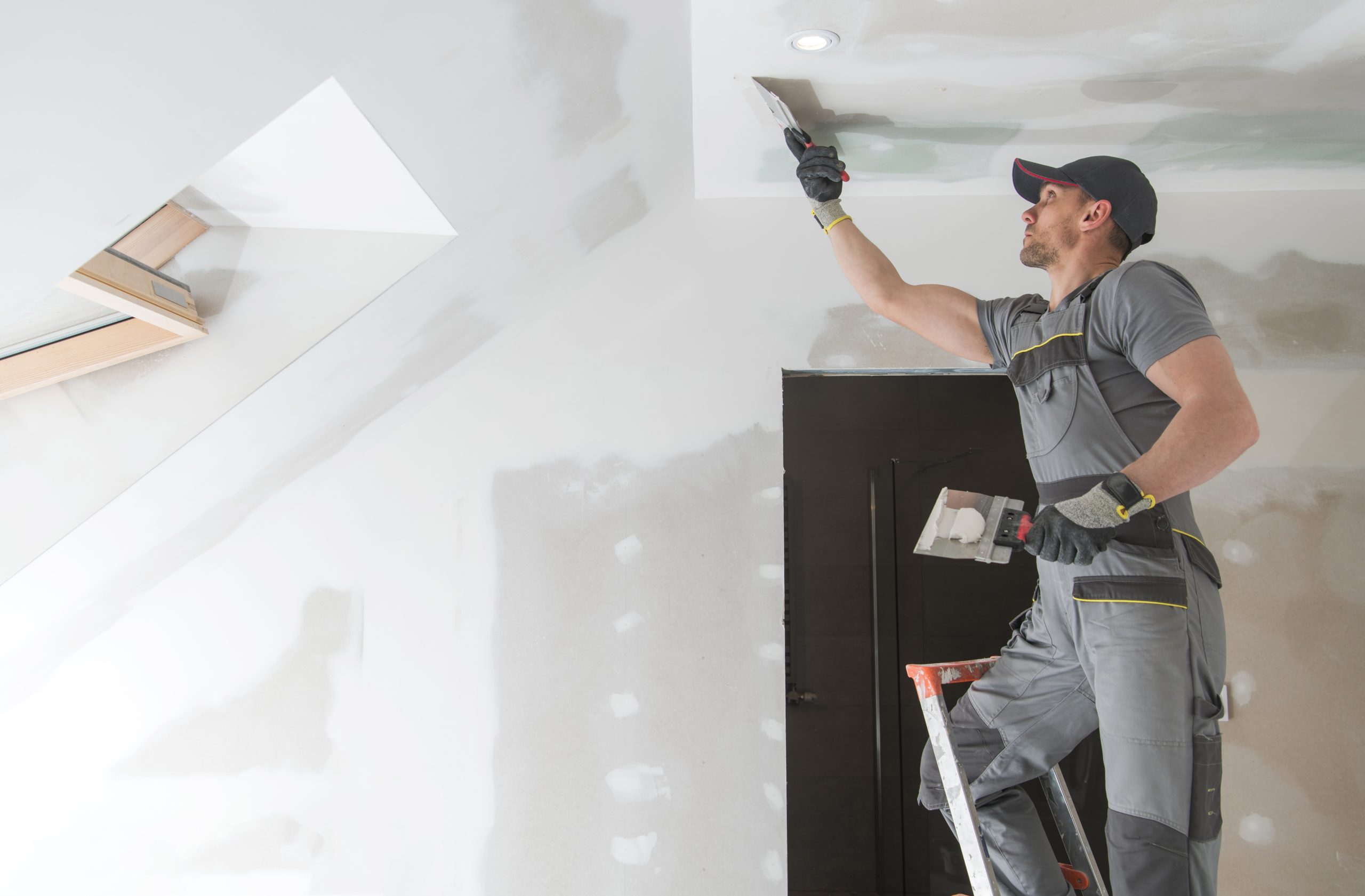
Patching holes in drywall requires an organized technique to ensure a smooth fixing. The very first action involves evaluating the dimension of the hole. For tiny openings, a patching compound may be adequate, while bigger holes demand a patch. Next off, the damaged area needs to be cleansed and prepared by removing any kind of loose particles.
For small holes, applying spackling substance with a putty blade is suggested, smoothing it over the hole and feathering the edges. As soon as dry, fining sand the area ensures a smooth coating. For larger holes, a drywall spot must be cut to dimension, placed over visit the site the opening, and safeguarded with screws. After mounting the spot, the exact same spackling process is duplicated, followed by sanding.
Lastly, the patched area needs to be topped and painted to match the bordering wall. This thorough process guarantees a professional appearance and prolongs the life expectancy of the repair work.
Setting Up New Drywall Sheets: A Comprehensive Overview
Mounting new drywall sheets needs careful planning and implementation to assure a visually enticing and strong finish. The area has to be measured accurately to determine the number of sheets needed. It is essential to select the right density, typically 1/2-inch for indoor wall surfaces and 5/8-inch for ceilings or fire-rated applications.
Next, the studs or framework must be examined for any kind of abnormalities, ensuring they are straightened and correctly spaced. When putting the drywall sheets, they must be positioned flat to reduce seams and improve architectural honesty. A drywall lift can be beneficial for overhead installments.
Fastening the sheets with drywall screws at appropriate intervals ensures a safe installation. It is necessary to countersink the screws somewhat below the surface to get ready for the ending up procedure. Following these guidelines will certainly result in a solid foundation, prepared for the following action in drywall completing.
Finishing Touches: Taping, Mudding, and Sanding Methods
Once the drywall sheets are safely secured, the focus moves to the finishing touches that will offer a refined appearance. This procedure begins with taping, utilizing either paper or fiberglass mesh tape to cover the joints between sheets. The tape assures a smooth change, minimizing the risk of cracking. Complying with insulation, mudding is crucial; a joint substance is used over the tape to fill up voids and produce a seamless surface area. Usually, several layers are necessary, each one feathered out even more than the before decrease visibility.
After sufficient drying time, fining sand is the last step in achieving a perfect finish. A fine-grit sandpaper is used to smooth the dried substance, guaranteeing there are no flaws or bumps. Focus to information throughout this phase is significant, as Learn More Here it substantially impacts the overall look of the wall surface. The end result need to be an even, professional-looking surface ready for priming and painting.
Regularly Asked Inquiries
Exactly how Do I Pick the Right Drywall Thickness for My Project?
To select the right drywall density, consider the project's objective, area, and structural needs. Requirement thicknesses include 1/2-inch for basic usage and 5/8-inch for fire-rated applications, making sure longevity and conformity with structure codes.
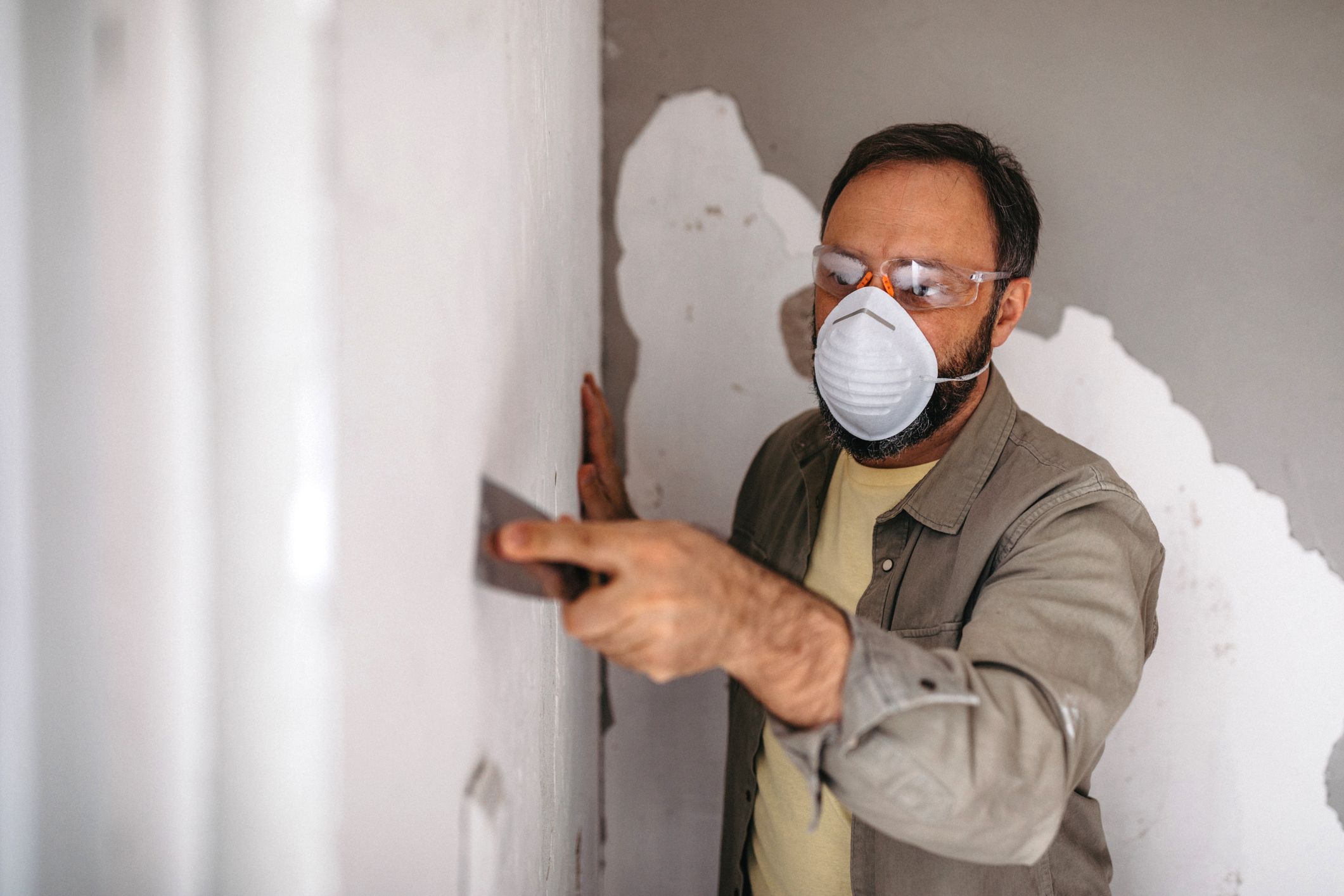
Can I Mount Drywall Over Existing Drywall?
Yes, setting up drywall over existing drywall is possible. Nevertheless, article it is essential to guarantee the underlying surface area is free and secure from damages. Appropriate attachment and consideration of density are necessary for an effective installment.
What Are the most effective Practices for Drywall Disposal?
The best methods for drywall disposal include reusing when possible, utilizing local waste monitoring services, and complying with guidelines for hazardous materials if appropriate. drywall contractor. Appropriately sealing and labeling waste assurances conformity and safety throughout disposal
Just how Long Should I Wait for Mud to Dry Prior To Fining sand?
Usually, one should wait 24 hr for drywall mud to dry prior to sanding. Nevertheless, drying time can differ based on humidity and temperature level, so looking for a firm structure is a good idea prior to proceeding.
Exist Eco-Friendly Drywall Options Available?
Yes, green drywall choices are readily available. These options frequently use recycled products, low-VOC adhesives, and lasting manufacturing methods, minimizing ecological impact while supplying effective insulation and durability for different building and construction and renovation jobs.
An utility blade is essential for reducing drywall sheets, while a drywall saw can assist in making precise cuts for fixtures or electrical outlets. Preparing the area for drywall repair service or setup is important to guarantee a smooth and efficient procedure. Covering openings in drywall requires a methodical method to guarantee a smooth repair work. Setting up new drywall sheets needs mindful planning and implementation to guarantee a aesthetically attractive and durable finish. Yes, installing drywall over existing drywall is possible.
Comments on “Partner with dedicated drywall contractors to achieve flawless results in every Interior Painting project.”